

Love the natural texture of woven wood shades but wish they offered more insulation? Energy efficient woven wood shades combine the organic beauty of woven materials with the insulating benefits of a secondary honeycomb shade. This layered design can help manage heat loss, solar heat gain, light and privacy without sacrificing the natural look at your windows.
Hunter Douglas offers an independently operable cellular honeycomb liner with select Provenance® Woven Wood Shades. Let’s explore how this feature works and why it can be especially useful in homes where seasonal temperatures make window insulation important.
How Do Energy Efficient Woven Wood Shades Work?
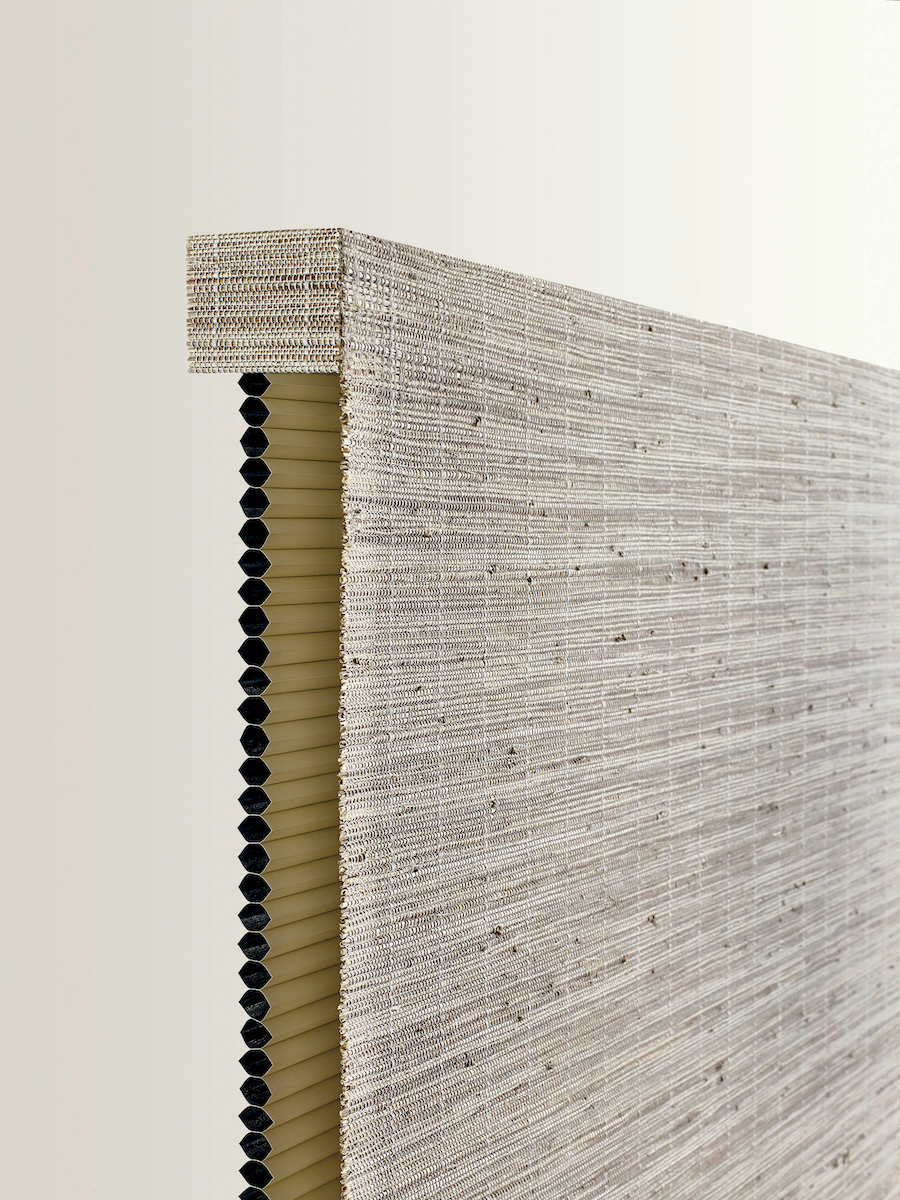
Traditional woven wood shades are valued for their natural fibers and distinctive textures. Depending on the weave, however, light and air can pass through small openings in the material. Adding a cellular honeycomb liner provides an extra insulating layer at the window.
The honeycomb liner features a cellular structure designed to trap air within its pockets. This helps reduce heat transfer through the window area, supporting a more comfortable indoor environment during both warm and cold weather. With this configuration, homeowners can enjoy the decorative appearance of woven wood shades while benefiting from the additional insulation of a cellular liner.
Two Layers for Insulation and Light Control
One of the advantages of this design is the ability to adjust the woven shade and honeycomb liner independently. Rather than relying on a single material for every situation, the two layers provide different levels of coverage throughout the day.
For example, you might lower the woven wood shade to soften incoming sunlight while keeping the cellular liner raised. When additional privacy, room darkening or insulation is needed, the secondary liner can be lowered behind the woven material.
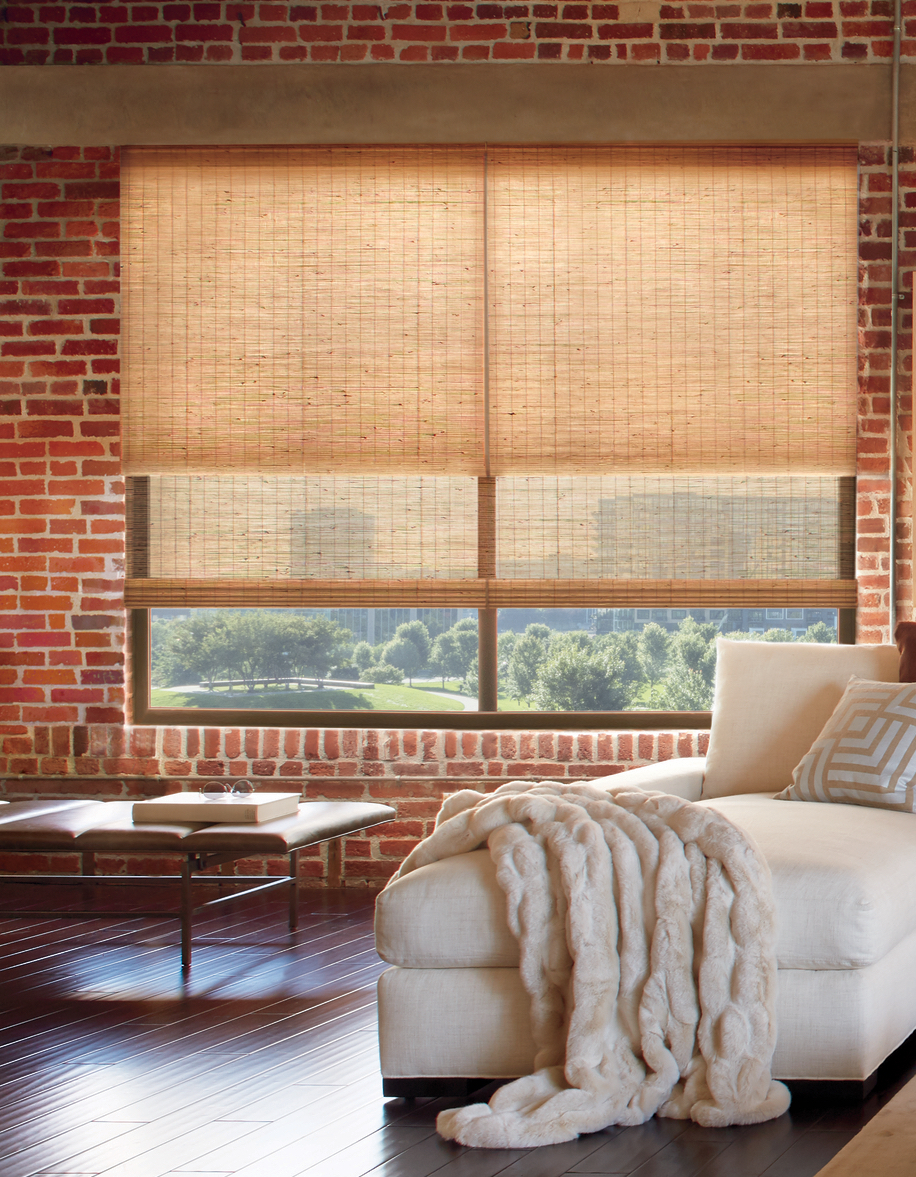
The Provenance cellular honeycomb liner is available in light-filtering and room-darkening options, allowing you to select the level of light control that works best for your space.
Why Honeycomb Liners Improve Energy Efficiency
Windows can be a source of unwanted heat gain during summer and heat loss during winter. Insulating window treatments help reduce heat transfer, making it easier to maintain comfortable indoor temperatures. The cellular construction of a honeycomb liner creates pockets of air that act as an insulating barrier at the window. When paired with woven wood shades, this provides additional thermal protection beyond the decorative woven material alone.

During colder months, lowering the cellular liner can help reduce heat loss through the window. During warmer weather, it can help limit unwanted solar heat gain when direct sunlight is entering the room. The amount of insulation depends on factors such as the window, shade fit, liner material and how the window covering is used. While insulating shades can contribute to energy savings, they do not replace properly insulated windows.
To learn more about cellular construction and its benefits, explore our energy efficient window treatments.
When Is an Insulating Honeycomb Liner Most Useful?
Adding a honeycomb liner can be particularly helpful when you want the appearance of natural woven shades but need more control over temperature and sunlight.
- During cold Minnesota winters: Lowering the cellular liner can provide an additional insulating barrier at windows where heat loss is a concern.
- During sunny summer afternoons: The secondary shade can help reduce unwanted solar heat gain and improve comfort in rooms exposed to direct sunlight.
- When privacy needs change: Independently operating the two layers lets you adjust coverage without giving up the decorative woven texture.
- When more room darkening is needed: A room-darkening cellular liner can reduce incoming light compared with an unlined woven shade.
This flexibility makes the combination useful for bedrooms, living rooms and other spaces where lighting and temperature conditions change throughout the day.
Are Energy Efficient Woven Wood Shades Right for You?
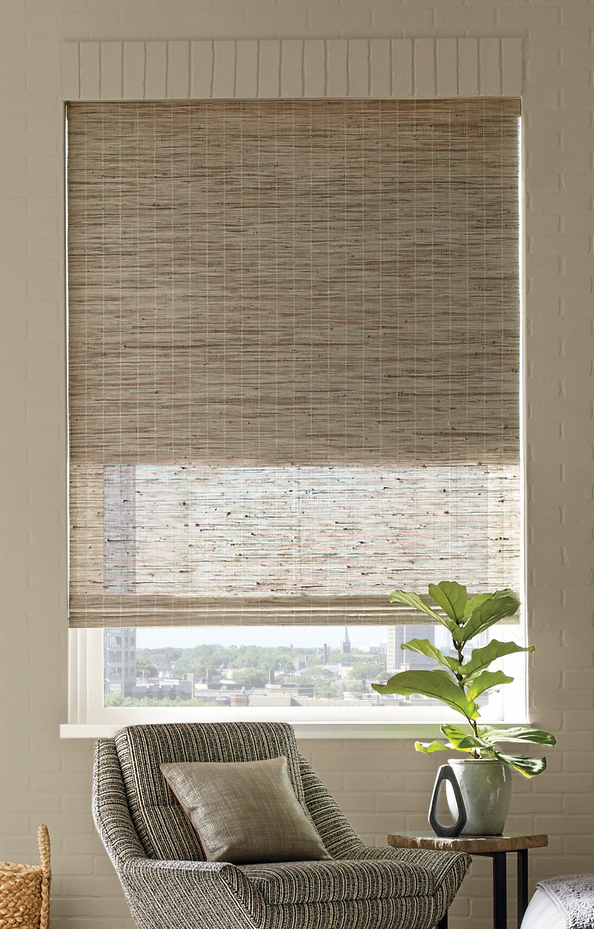
If you appreciate the natural appearance of woven wood shades but want better insulation, an independent cellular liner may be worth considering. The combination allows you to enjoy organic textures while gaining additional control over heat, sunlight and privacy.
For more information about available materials, liner options and operating systems, explore our Provenance® Woven Wood Shades collection. At Aero Drapery & Blind, our team can help you compare insulating window treatment options for your home. Contact us to schedule a free design consultation.
