

Cellular shades are a popular choice for homeowners who want a window treatment that combines clean style with practical benefits. Also known as honeycomb shades, cellular shades are made with fabric cells that create distinctive pleats across the window. From the side, those cells resemble a honeycomb—and that unique construction is what sets these shades apart.
The cellular design can help insulate the window while offering flexible options for natural light, privacy and room darkening. Cellular shades are also available in different fabrics, operating styles and configurations for windows throughout the home. Here’s what to know if you’re considering cellular shades for your space.
How Do Cellular Shades Work?
The defining feature of a cellular shade is its honeycomb-shaped construction. The fabric forms pockets that trap air between the window and the room, creating an insulating layer that can help reduce heat transfer through the glass.
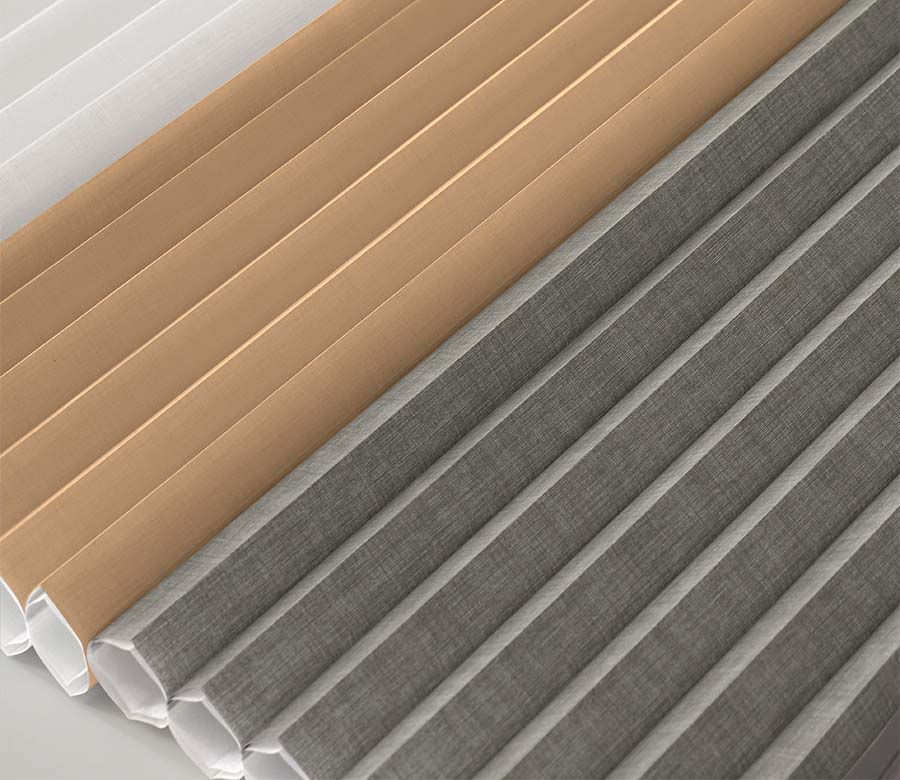
This structure makes cellular shades especially appealing in climates like Minneapolis–St. Paul, where windows can be a source of heat loss during cold winters as well as solar heat gain during warmer months. If insulation is one of your primary concerns, compare cellular shades with our other energy-efficient window treatments.
What Are the Benefits of Cellular Shades?
Insulation may be one of their best-known qualities, but cellular shades can solve several common challenges at the window. Depending on the fabric and operating system you select, they can provide:
- Light filtering or room darkening
- Privacy while maintaining natural light
- Added insulation at the window
- Top-down bottom-up operation
- Cordless and motorized control
- Solutions for certain specialty windows
- A clean, streamlined appearance
The wide range of available configurations makes cellular shades useful in bedrooms, living rooms, home offices and other spaces where light, privacy and comfort needs can change throughout the day.
Light Filtering, Privacy & Room Darkening
Not all cellular shades manage light in the same way. Light-filtering fabrics soften incoming sunlight and provide daytime privacy while maintaining a brighter atmosphere. Room-darkening fabrics provide greater light control for bedrooms, nurseries, media rooms and other spaces where reducing incoming light is a priority.

Some cellular shades also offer top-down bottom-up operation. Instead of only raising a shade from the bottom, you can lower it from the top to bring daylight into the room while keeping the lower portion of the window covered. Explore top-down bottom-up shades if maintaining both privacy and natural light is an important goal for your home.
Types of Hunter Douglas Cellular Shades
Hunter Douglas offers several approaches to cellular shade design. Understanding the differences can help you determine which collection best fits your windows and priorities.
Duette® Honeycomb Shades
Duette® Honeycomb Shades offer an extensive selection of fabrics, operating systems and specialty configurations. They’re a strong choice when you want the insulating benefits of cellular construction along with highly customizable options for light control, privacy and window type.
Duette® Vertiglide™
Cellular construction isn’t limited to horizontal shades. Duette® Vertiglide™ brings the honeycomb design to a vertical format for wide expanses and sliding glass doors.

Applause® Honeycomb Shades
Applause® Honeycomb Shades provide the insulating structure and clean pleated appearance of honeycomb shades with a more streamlined selection of fabrics and options.

Sonnette® Cellular Roller Shades
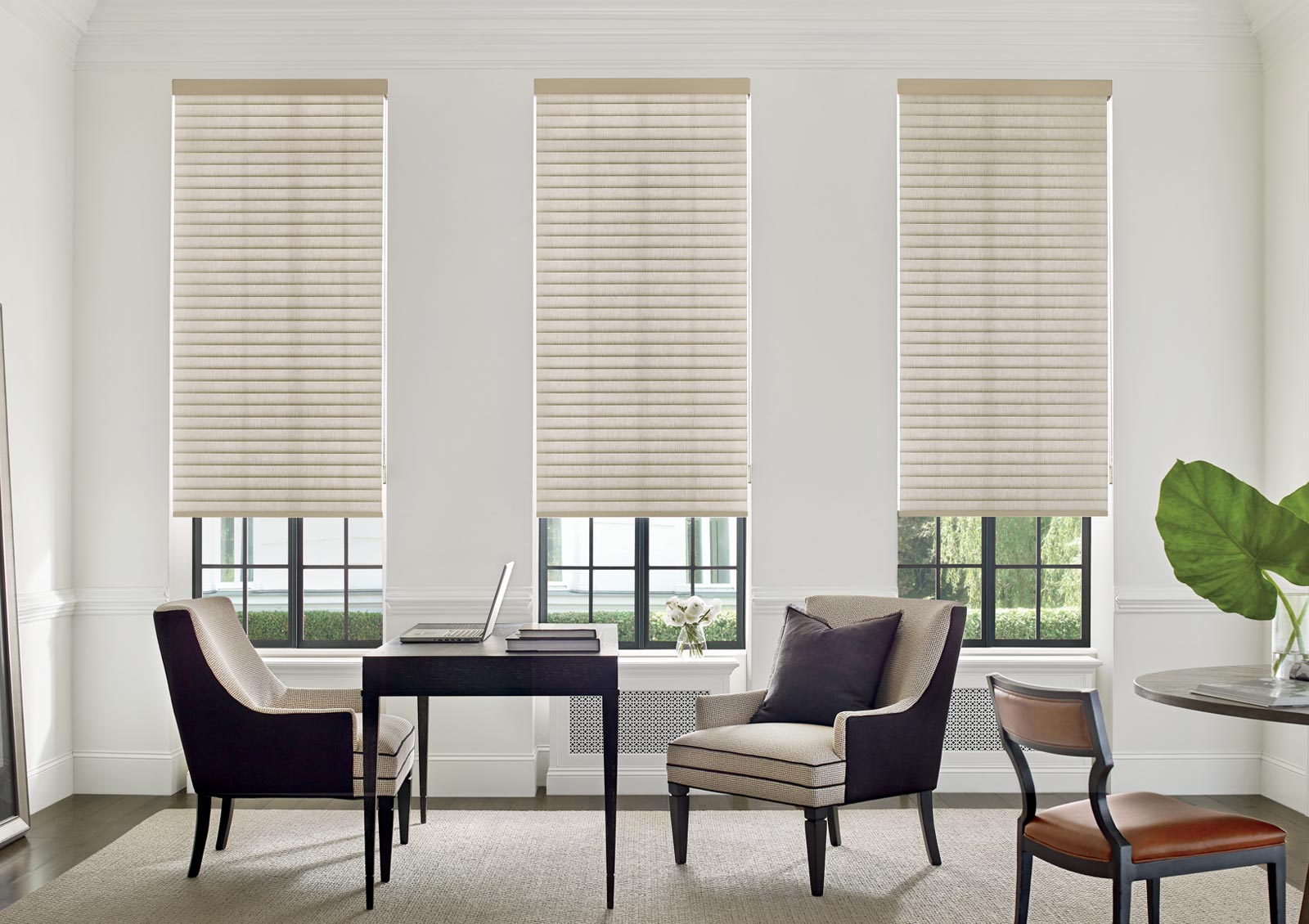
Sonnette® offers a different take on cellular construction. Rather than stacking into crisp pleats as they’re raised, Sonnette® Cellular Roller Shades roll into the headrail. The result combines the dimensional fabric construction of a cellular shade with the clean operation and appearance associated with roller shades.
Are Cellular Shades Energy Efficient?
Cellular shades can be one of the more energy-efficient shade styles because their honeycomb-shaped pockets create an insulating layer at the window. The level of performance can vary based on the cellular construction, fabric, fit and other factors, so energy efficiency shouldn’t be considered in isolation when selecting a shade.
If reducing heat transfer and improving comfort are your primary goals, our insulated and energy-efficient window shades guide explores cellular shades alongside other window treatment solutions.
Can Cellular Shades Be Motorized?
Yes. Select cellular shades can be paired with motorized operation, making it easier to adjust shades throughout the day or operate windows that are large or difficult to reach. With Hunter Douglas PowerView® Automation, compatible shades can be controlled using a remote, app or compatible smart home system, and scheduled to adjust at preferred times.
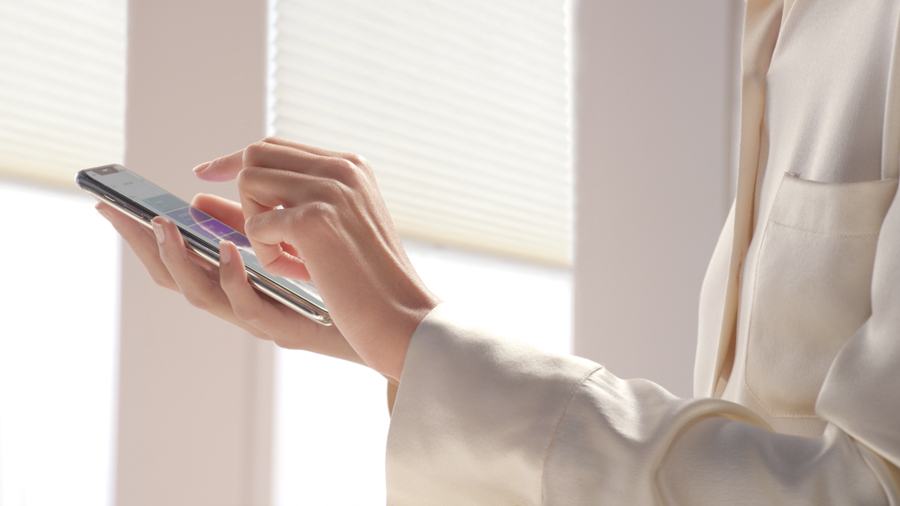
Learn more about motorized window shades and how automation can simplify everyday light and privacy control.
Are Cellular Shades Right for Your Home?
Cellular shades are worth considering when you want a streamlined window treatment that can balance insulation, light control and privacy. They’re particularly versatile because fabrics and operating styles can be customized around the needs of individual rooms and windows.
They aren’t the only option, however. If natural texture, view-through fabrics or another design aesthetic is your priority, a different shade style may be a better fit. Explore our complete collection of custom window shades to compare cellular shades with roller, Roman and sheer shade styles.
If cellular shades sound right for your home, the team at Aero Drapery & Blind can help you compare fabrics, operating systems and Hunter Douglas collections for your windows. Schedule a consultation to get started.