

The direction your windows face affects far more than how bright a room feels. It influences when sunlight enters, how much glare and heat you experience, where privacy becomes a concern and how often you need to adjust your window shades throughout the day.
East-facing windows welcome strong morning sun, while west-facing windows can make rooms hot and uncomfortable later in the day. South-facing windows often receive the most direct sunlight, and north-facing windows tend to provide softer, more consistent daylight. Rooms with windows facing more than one direction can experience several of these challenges at once.
Fortunately, the right window treatments can help you create balanced natural light without leaving your shades fully open or constantly adjusting them. Light-filtering fabrics, top-down operation, dual shades and automation all make it easier to control brightness, glare, privacy and comfort as the sun moves around your home.
Why Window Direction Matters
Sunlight changes throughout the day and throughout the year. The room that feels bright and comfortable at breakfast may experience intense glare by late afternoon, while another space may remain dim even with the window coverings open. Understanding the direction your windows face can help you choose window treatments based on the conditions each room actually experiences. Depending on the location of the windows, you may need to:
- Block early morning sunlight in a bedroom
- Reduce afternoon glare and heat in a living room
- Protect flooring and furnishings from prolonged UV exposure
- Bring more natural light into a darker space
- Maintain privacy without completely covering the window
- Adjust different windows independently within the same room
The goal is not simply to make every room brighter or darker. It is to create balanced light that supports the way you use each space.

Morning Light from East-Facing Windows
Because the sun rises in the east, east-facing windows receive their strongest light in the morning. This can make kitchens and breakfast areas feel bright and welcoming, but the same sunlight can become disruptive in a bedroom.
Early morning rays may wake you before your alarm, especially during Minnesota summers when the sun rises earlier. Bedrooms, nurseries and rooms used by shift workers may benefit from room-darkening or blackout window treatments that block unwanted sunlight when it is time to sleep.
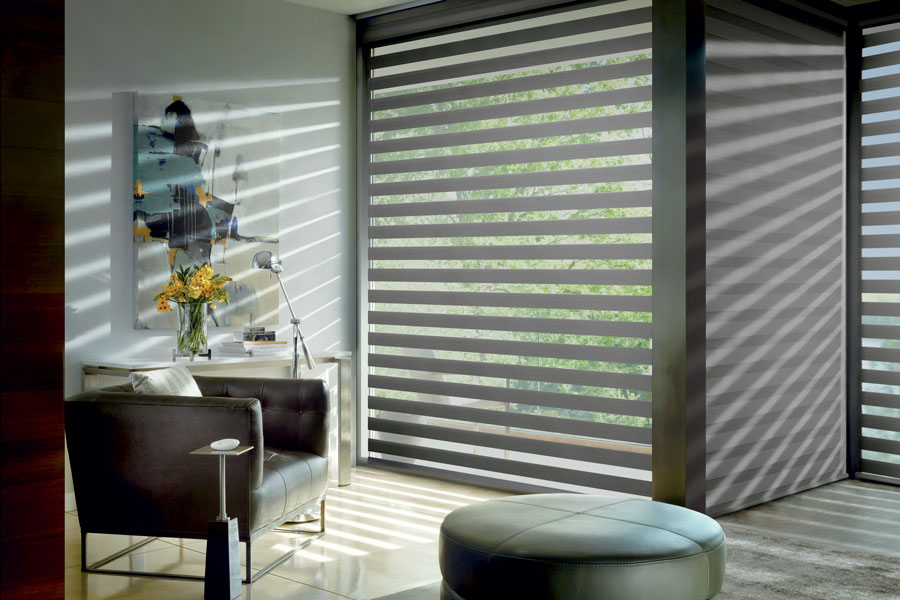
In living rooms, dining areas and home offices, you may not want to block morning light completely. Light-filtering or banded shades can soften direct rays and reduce glare while allowing the room to remain bright. Their adjustable design lets you transition from privacy and stronger light control to an open, naturally illuminated space.
For more ideas specifically related to early sunlight in bedrooms, explore our guide to controlling morning sunshine.
Afternoon Heat and Glare from West-Facing Windows
West-facing windows remain relatively calm during the morning but receive intense sunlight later in the day. This low afternoon sun can shine directly into living rooms, dining rooms and home offices, creating glare at eye level and causing indoor temperatures to rise.

Solar shades can reduce glare, heat and UV exposure while preserving the outdoor view, while Roman shades and cellular shades provide additional insulation for windows that make a room feel noticeably warmer.
Motorized window shades are especially valuable on west-facing windows. You can schedule them to remain open during the morning and close before intense afternoon sunlight reaches the room. Later, they can open again so you can enjoy the sunset without manually adjusting every window.
If afternoon heat is the primary problem, read more about window treatments that help keep your home cool.
South-Facing Windows Receive Sunlight Throughout the Day
South-facing windows generally receive the greatest amount of direct sunlight over the course of the day. That natural light can make a room feel warm, open and inviting, but prolonged exposure may also create glare, increase indoor temperatures and contribute to fading on flooring, furniture and artwork.
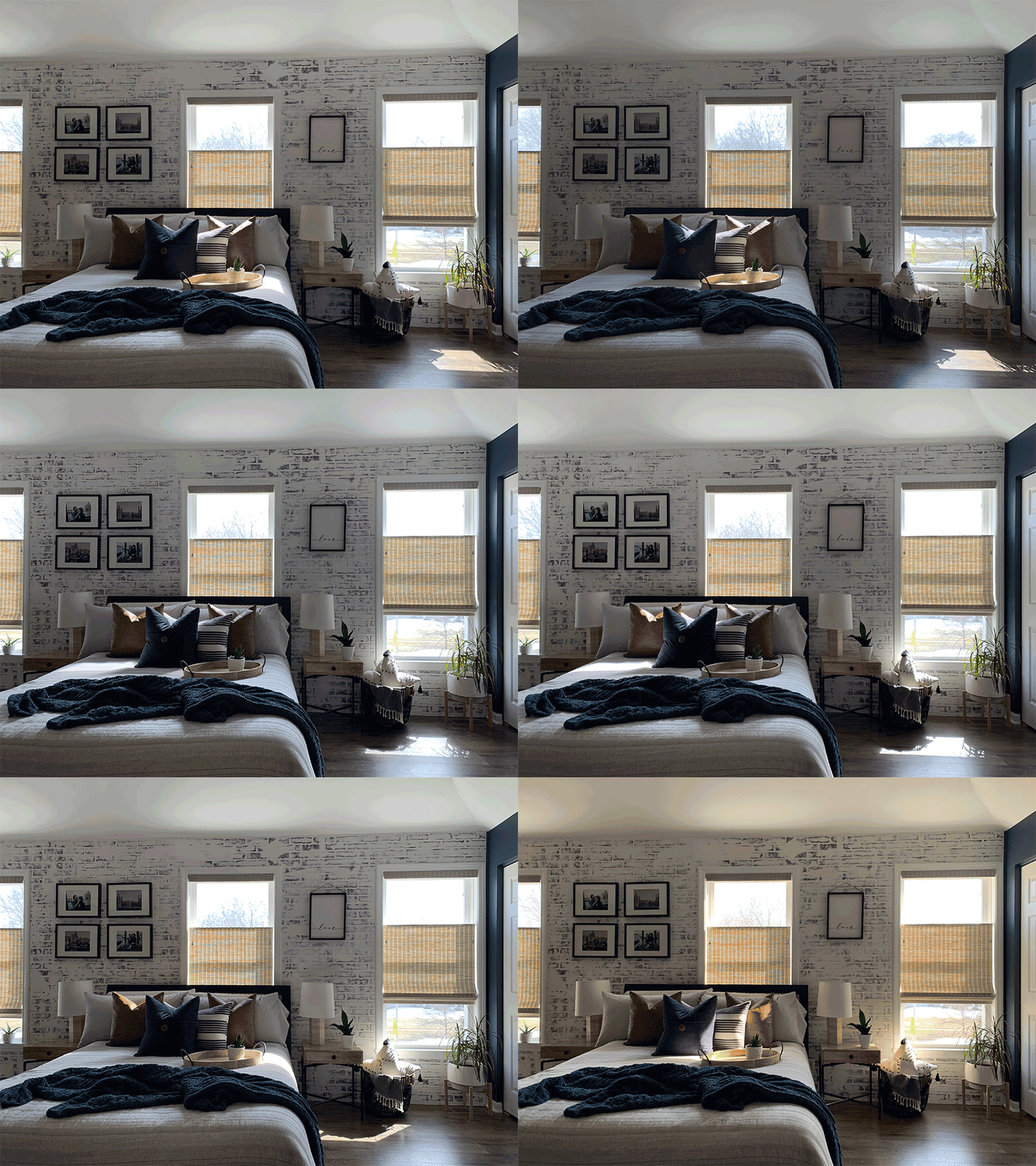
The best solution often combines access to daylight with targeted protection. Rather than covering the entire window, top-down bottom-up shades can be lowered from the top to bring light into the room near the ceiling. The lower portion remains covered to reduce glare, protect privacy and shield furnishings from direct rays.
Dual shades are another useful option for prolonged sun exposure. A light-filtering layer can soften daytime sunlight, while a secondary room-darkening shade provides stronger protection when brightness, privacy or heat becomes a concern.
Soft, Consistent Light from North-Facing Windows
North-facing windows typically receive softer, more indirect daylight. Because the sun does not usually shine directly through the glass for long periods, these rooms may avoid the intense heat associated with southern or western exposures. However, they can sometimes feel dim, particularly during winter or on overcast days.
The challenge is often bringing in as much usable daylight as possible while controlling reflections and maintaining privacy.
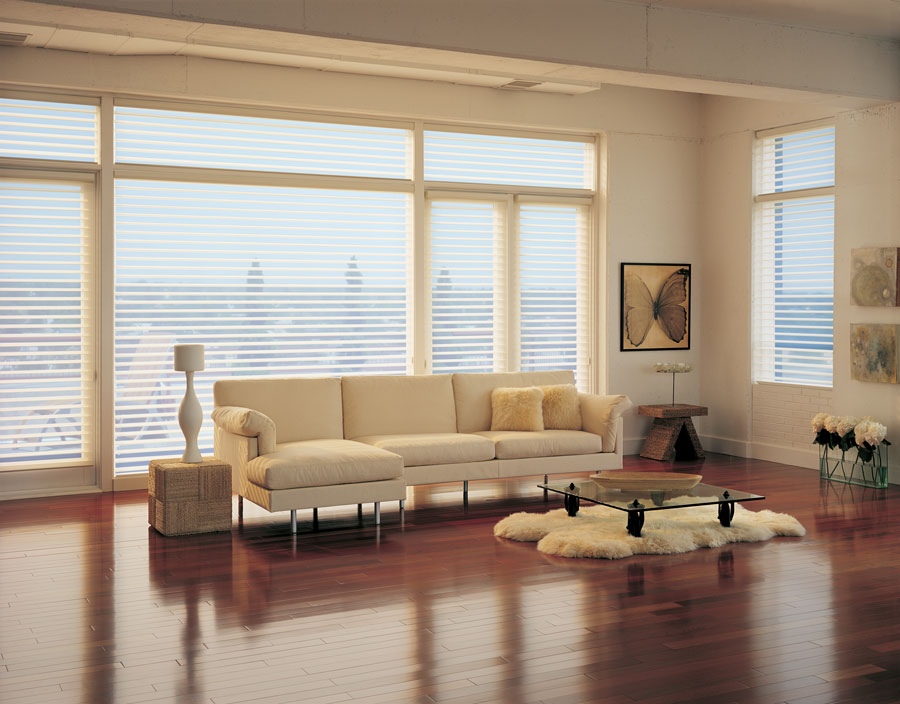
Sheer shades are well suited for north-facing windows because they diffuse daylight and create a soft glow without making the room feel closed off. Adjustable fabric vanes can redirect light farther into the room while helping reduce glare on televisions and computer screens.

Light-colored fabrics can also help a darker room feel brighter by reflecting more daylight into the space. The objective is not to leave the windows bare, which can still create reflections and privacy concerns, but to choose a covering that makes better use of the available natural light.
How the Time of Day Changes Your Light-Control Needs
A window treatment that works well in the morning may need to perform very differently later in the day. This is especially true in open floor plans, rooms used for several activities and spaces with large windows.
In the morning, you may want shades open to bring in natural light and warmth. By afternoon, the same windows may need protection from glare or heat. At night, privacy becomes the priority.
Several operating features can provide this flexibility:
- Adjustable vanes, louvers and slats redirect sunlight without completely darkening the room.
- Top-down bottom-up shades bring daylight in above eye level while maintaining privacy below.
- Dual shades combine light-filtering and room-darkening materials at one window.
- Motorized shades adjust on a schedule as sunlight moves throughout the day.
These features help you use natural light more effectively rather than choosing between shades that are completely open or completely closed.
When One Room Has Windows Facing Different Directions
Great rooms, corner offices, kitchens and open-concept living spaces often have windows on more than one wall. One side of the room may receive direct morning sun while another becomes bright and hot in the afternoon. Treating every window exactly the same can leave one part of the space uncomfortable.
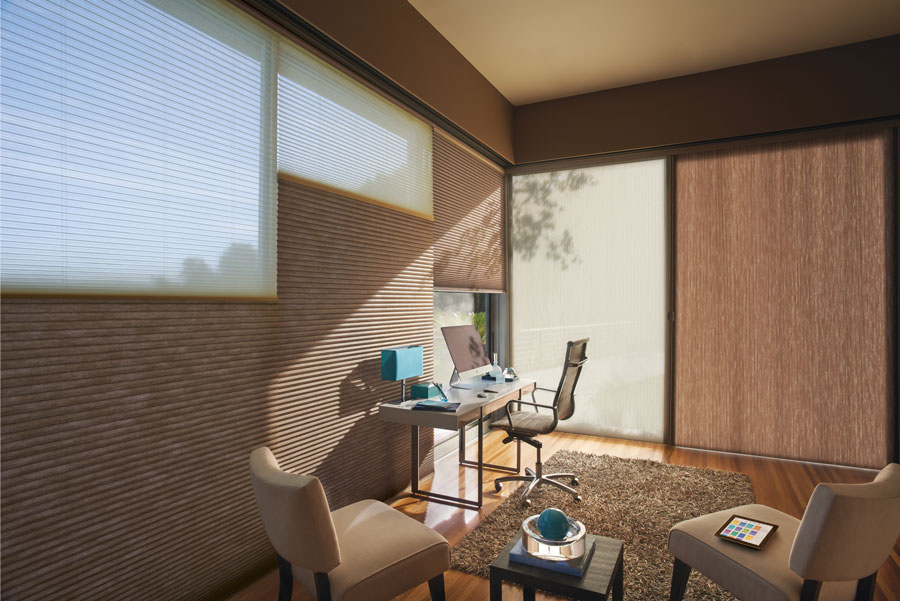
The window treatments can still coordinate in fabric, color and style while using different opacities or operating positions. For example, east-facing windows may need a room-darkening option in the morning, while northern windows in the same room may benefit from a lighter fabric that maximizes daylight.
Dual shades make it easier to adjust each window according to its exposure. A light-filtering shade can remain in place for diffused daylight and privacy, while a secondary room-darkening shade can be lowered only where stronger control is necessary.

Motorization can make a multi-window room even easier to manage. Individual shades can operate separately, while groups of shades can also move together when you want a consistent look.
Use Daylighting to Brighten Your Home Naturally
Daylighting is the practice of using natural light to illuminate your home instead of relying entirely on artificial lighting. Effective daylighting does not mean leaving every window uncovered. Bare glass can introduce glare, heat, UV exposure and privacy concerns.
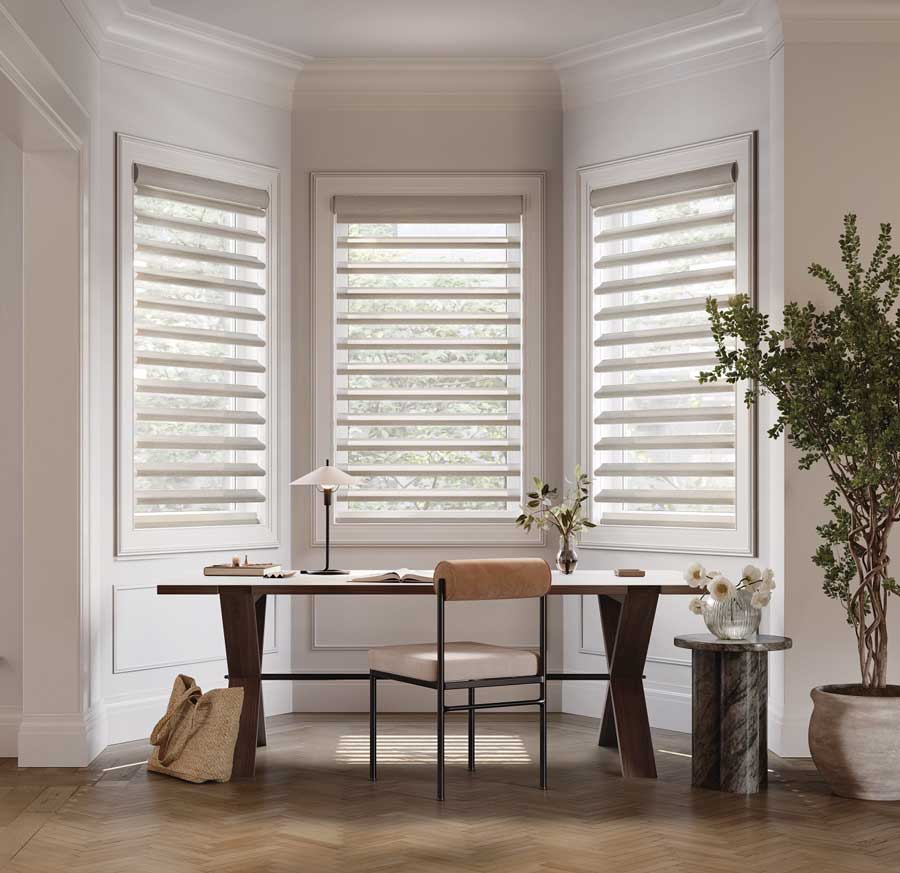
The right window coverings help shape and redirect incoming light so it reaches more of the room. Top-down shades can send light across the ceiling, while sheer fabrics soften direct rays and create more even illumination. Adjustable slats, louvers and vanes can tilt sunlight upward or away from screens and seating areas.
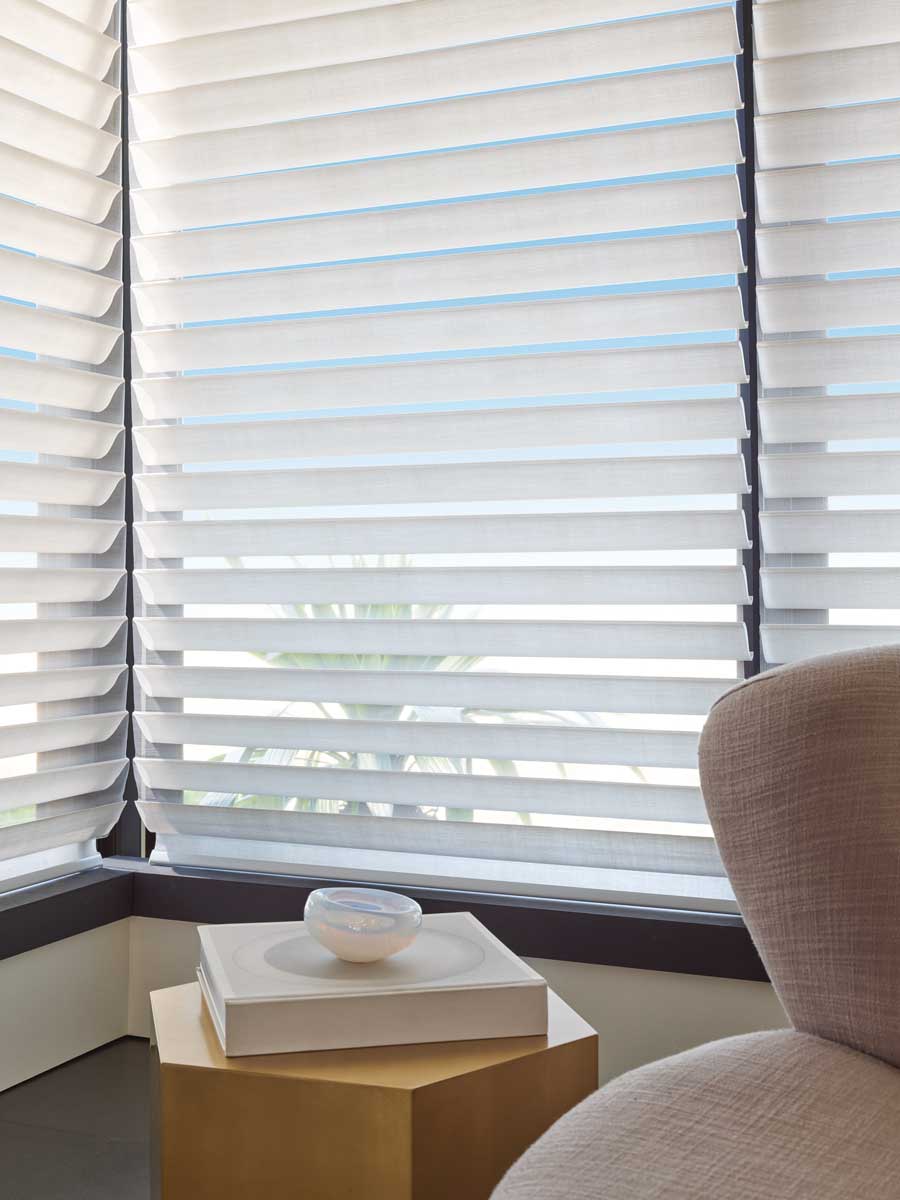
Light-colored walls, reflective surfaces and thoughtfully placed mirrors can further distribute daylight, but window treatments remain the primary tool for controlling how sunlight enters the room.
Reduce the Need to Adjust Your Shades All Day
Homeowners often leave their shades in one position because adjusting several windows throughout the day becomes inconvenient. Unfortunately, that can mean missing out on natural light in the morning or living with uncomfortable glare later in the day.
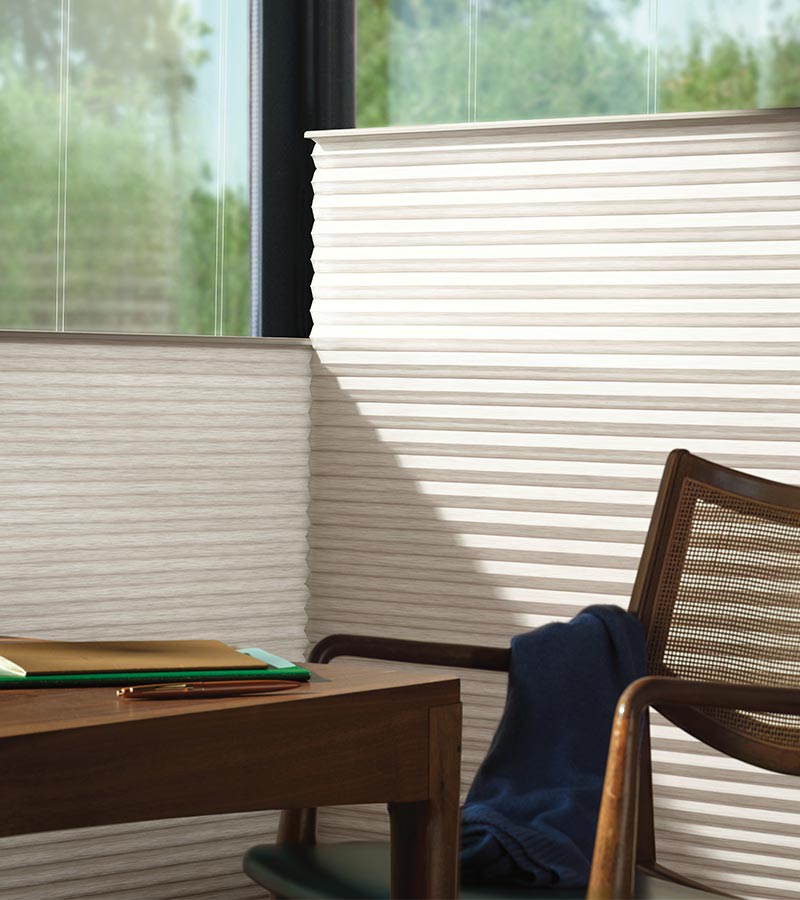
Choosing the right operating feature can reduce the need for constant adjustments. Top-down shades can remain in a privacy-friendly position while continuing to admit daylight. Sheer shades and shutters can stay lowered while their vanes or louvers redirect the light. Dual shades offer two levels of control at one window.
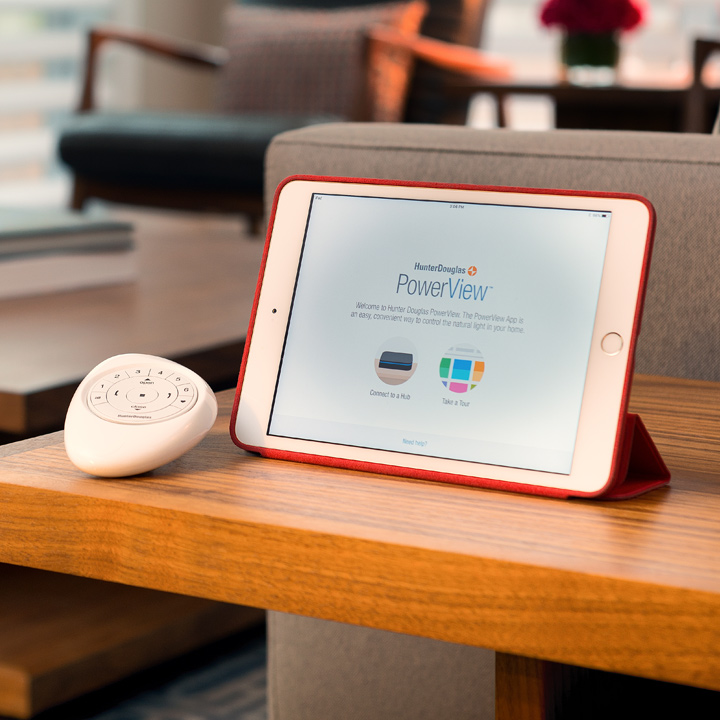
For homes where light conditions change significantly, automation offers the most hands-free solution. With scheduled scenes, your shades can open for morning light, close during the brightest part of the afternoon and adjust again at sunset. This creates more consistent comfort while also protecting interiors from prolonged sunlight.
Find the Right Window Treatments for Balanced Light
Every home experiences natural light differently. Window direction, room use, surrounding trees, nearby buildings and seasonal changes all influence which window treatments will work best.
At Aero Drapery & Blind, our designers can evaluate how sunlight moves through your home and recommend solutions for glare, heat, privacy and daylight. We can also help coordinate windows with different exposures so the room looks cohesive while each shade performs the job it needs to do.
Explore our window covering solutions, or schedule your FREE in-home consultation to discover how custom window treatments can create more balanced, comfortable light throughout your Minnesota home.
